
Encouraging Emotional Resilience Through Play: A Practical Guide for Parents
Play helps build emotional resilience in children because it gives them safe ways to practise problem-solving, express feelings, handle frustration, and adapt to new challenges. Through creative and social play, kids develop coping skills they can use in everyday life.
Children face all kinds of challenges as they grow. These may be small frustrations, changes at school, or moments when things feel too hard. When these moments happen, parents often want to help immediately. Yet one of the best ways to strengthen a child’s emotional resilience is to let them work through feelings during play.
Play is a natural tool for learning. It helps children explore emotions, practise new skills, and build confidence. In this guide, you’ll discover simple examples, evidence-based tips, and practical ideas to help your child develop emotional resilience through play.
What Is Emotional Resilience?
Emotional resilience is a child’s ability to cope with stress, adapt to challenges, and recover after setbacks. It helps them stay steady when life gets messy.
Dr. Susan David of Harvard Medical School explains it clearly:
“Emotional resilience is not something we’re born with. It’s something we can build by facing our emotions with curiosity, courage, and compassion.”
This means resilience is a learned skill. Play gives children a safe place to practise long before real-life challenges appear.

Why Play Supports Emotional Development
Play helps children process daily experiences in a safe and enjoyable way. It encourages creativity, independence, and emotional understanding. During play, kids experiment with solutions, recover from small setbacks, and learn to trust their own ideas.
Through regular play, children often learn to:
- Adapt to new situations
- Build positive relationships with peers and adults
- Manage frustration more smoothly
- Try again after things go wrong
- Develop confidence in their abilities
You might see this when a LEGO tower falls and your child rebuilds it. Or when siblings find a way to work together after a disagreement. These moments help children develop emotional resilience that lasts.
Read: Mindful Childhood Development: Nurturing Young Minds Through Creative Play
Types of Play That Build Emotional Resilience
Here are the forms of play that best support emotional development and coping skills.
1. Unstructured Play (Free Play)
Unstructured play is child-led. There are no strict rules or expected outcomes. It encourages creativity and teaches children to solve problems independently.
Examples include:
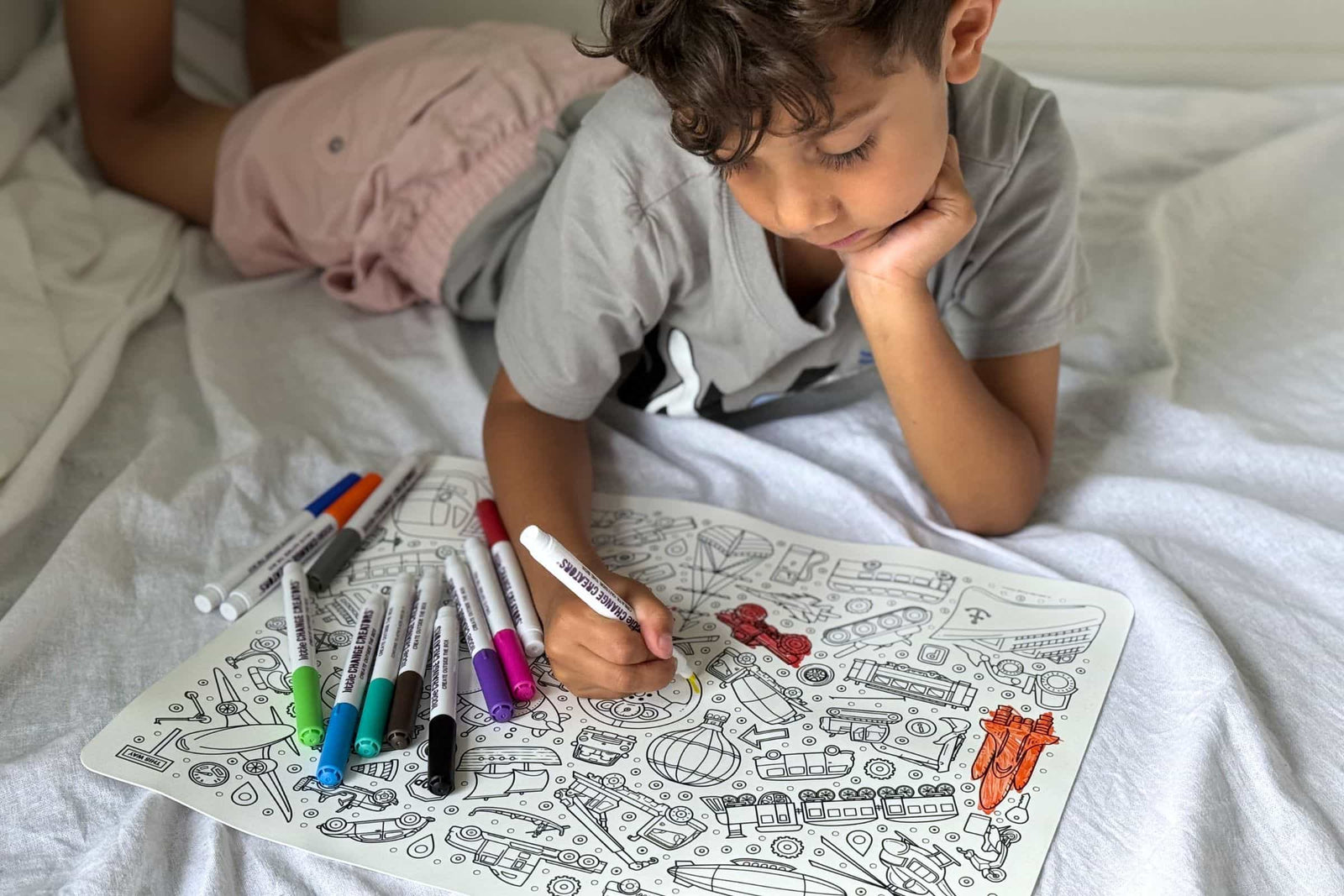
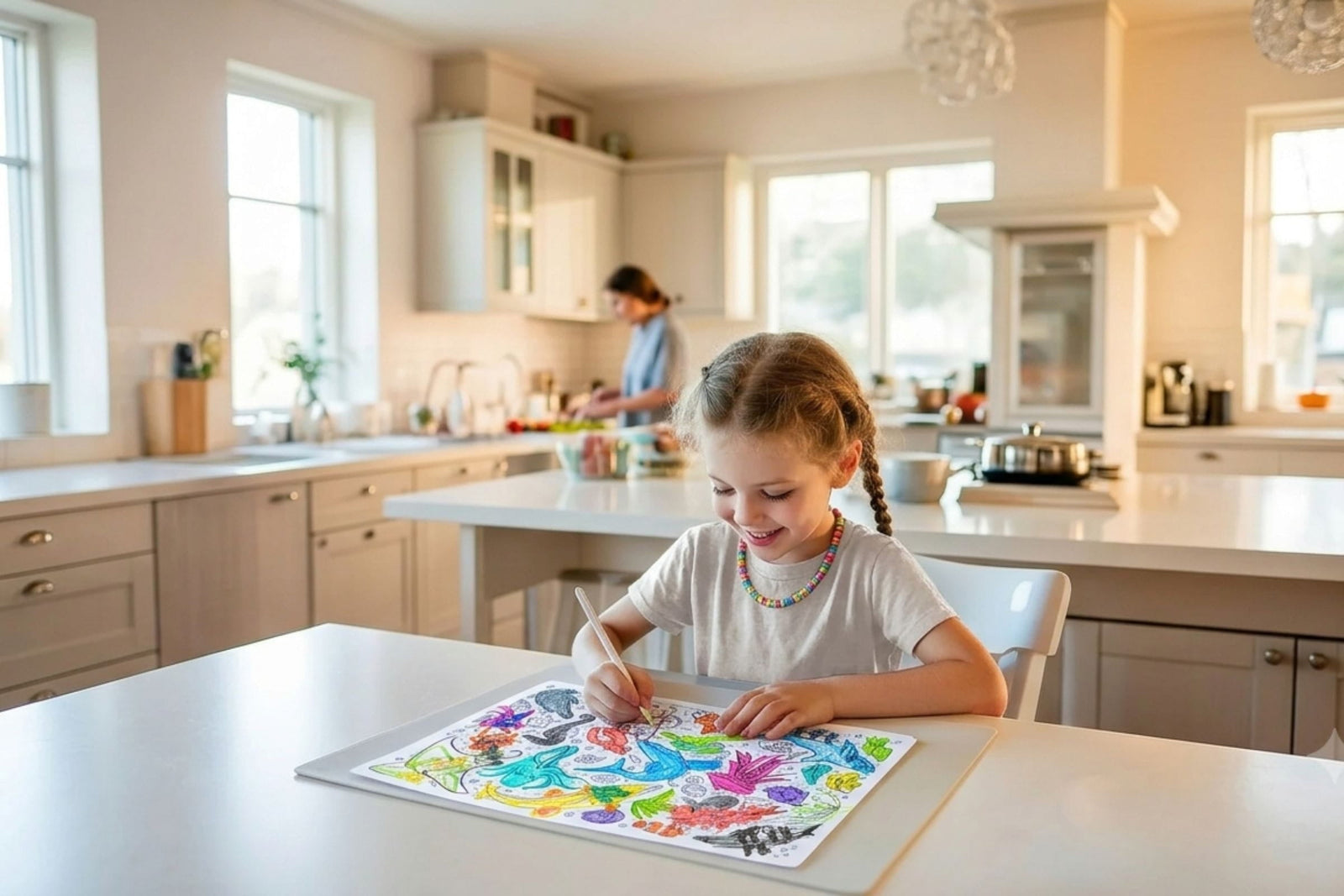
- Free drawing, colouring, or creative crafting
- Dress-ups and role-play
- Pretend shops or cooking
- Making up dances, songs, or games
This type of play builds confidence and helps kids learn to navigate uncertainty.
Explore: Discover Creative Resources For Your Child
2. Social Play
Social play teaches children how to communicate, share, negotiate, and collaborate. These skills help them handle real-life challenges with more confidence.
You can encourage social play by:
- Setting up simple group craft or art stations
- Offering building or construction toys to use together
- Creating shared challenges like “let’s build something that reaches the table”

3. Play That Builds Problem-Solving Skills
Problem-solving play teaches kids that mistakes are not failures. They are part of learning. This mindset is a core part of emotional resilience.
Psychologist Angela Duckworth describes it well:
“Helping kids develop problem-solving abilities teaches them that setbacks are not the end. They’re opportunities to learn and try again.”
You can support problem-solving through:
- Simple puzzles
- Building or balancing challenges
- Obstacle courses
- Scavenger hunts
- Creative prompts like “build something that can carry a toy animal”
4. Play That Encourages a Positive Mindset
A hopeful or optimistic mindset helps children stay steady during challenges. Play provides a relaxed environment where this can develop naturally.
Try activities such as:
- Celebrating effort instead of outcomes
- Sharing stories about characters who solve problems
- Creating art that represents hopes or goals
- Setting small fun challenges to complete together
5. Play That Supports Emotional Regulation
Learning to recognise and regulate emotions is essential for emotional resilience. Play gives children tools to practise this gently.
Helpful activities include:
- Mindfulness colouring
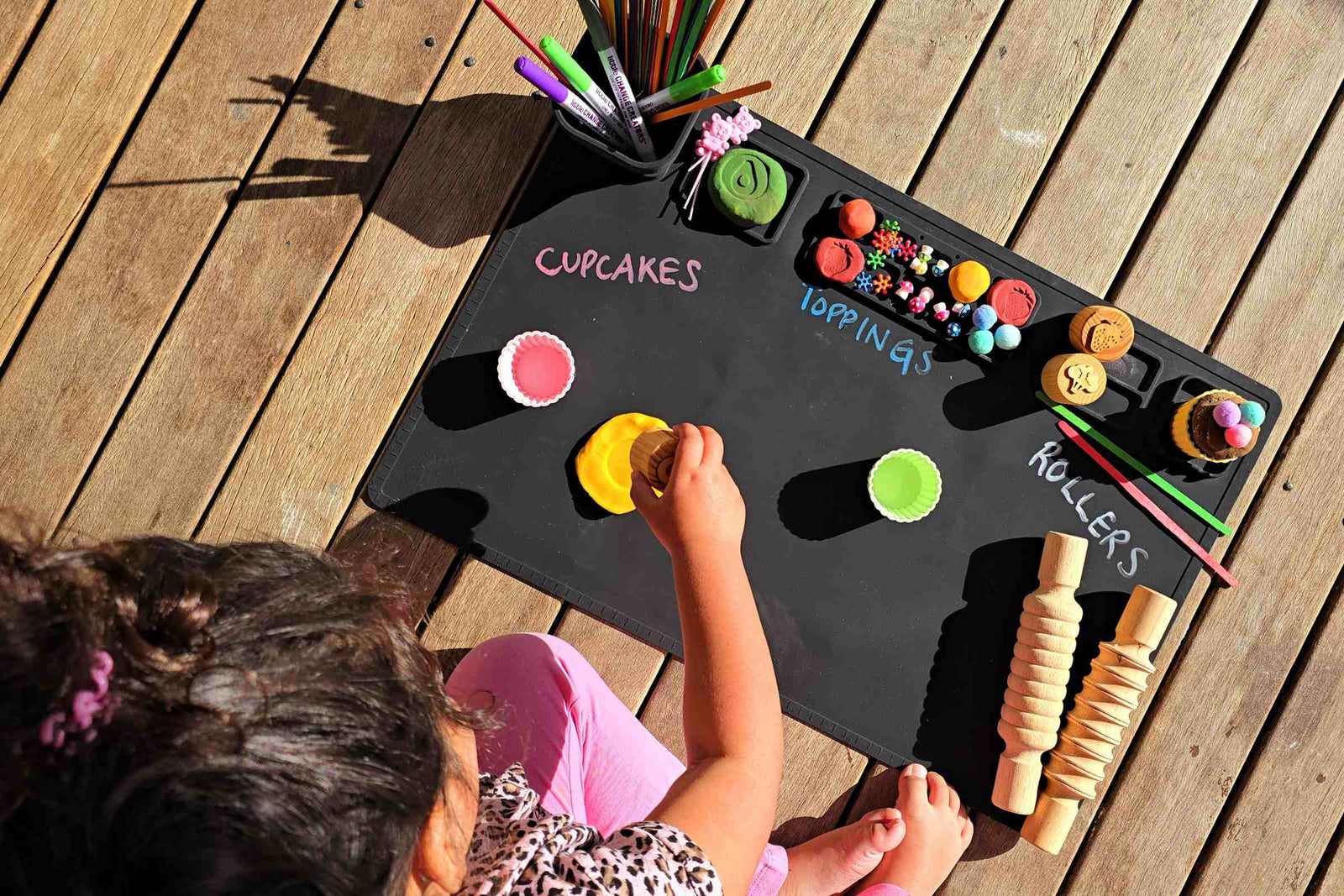
- Sensory play such as dough or clay
- Simple breathing exercises
- Drawing feelings in a journal
- Talking through emotions during pretend play
Explore: Reusable Colouring Mats and Reusable Clay Kits
Download: 10 Super-Fun Sensory Recipes
Actionable Tips for Parents
Here are simple, practical ways to support your child’s emotional resilience through play.
1. Be Present Without Taking Over
Sit with your child and stay engaged, but let them lead. When you avoid directing the play, your child gains confidence and develops problem-solving skills.
This builds independence and resilience over time.
2. Allow Small Struggles
It can be hard to watch children struggle, yet safe struggle is essential for growth. If your child is working through a tricky task, try offering encouragement rather than a solution.
A gentle “keep going, you’re doing well” helps them learn persistence.
3. Praise Effort and Progress
Praise that focuses on effort encourages resilience. It teaches children that trying again is valuable, even if things don’t work perfectly.
Dr. Laura Markham, author of Peaceful Parent, Happy Kids, says:
“When we praise effort, progress, and strategy, we send the message that mistakes are part of learning. That builds emotional resilience.”
Try short phrases such as:
- “You tried so many ways to solve that.”
- “I love how you kept going.”
4. Create a Safe, Encouraging Environment
Children take healthy risks when they feel secure. Offer a safe physical space to explore and an emotional space where they feel supported and understood.
A calm play corner or art station can help.

5. Use Play to Talk About Feelings
Play helps children communicate emotions they may not have words for. Puppets, dolls, or drawings can open gentle conversations.
Ask simple questions like:
- “How is this character feeling?”
- “What might help them feel better?”
These conversations build emotional vocabulary and empathy.
6. Mix Structured and Unstructured Play
Both types of play matter:
· Structured play teaches teamwork and patience.
· Unstructured play builds creativity and emotional flexibility.
A mix gives children a balanced set of coping skills.
Learn how to choose safe toys to support your child’s development by reading Toy Safety: Types of Hazards According to Age.
The Takeaway
Play is not just entertainment. It’s a powerful tool for emotional development. Through play, children practise problem-solving, build confidence, explore feelings, and learn to cope with frustration.
When you create time and space for meaningful play, you give your child a lifelong advantage. You nurture the emotional resilience they need to handle challenges today and in the future.
Next Step for Readers
If you want to encourage more resilience-building play at home, explore our range of reusable, screen-free creative tools designed to help kids express themselves, build confidence, and thrive.
Browse: School Readiness Resources For Your Child

About the Author
Paige McInnes is a mother of two, former international school teacher, and the founder of Little Change Creators. Her business was born from a desire to nurture her own children’s creativity while supporting their emotional development through meaningful, screen-free play. Paige is also a regular contributor to Kiddipedia, where she shares practical, parent-first insights on learning, play, and childhood development.