Get more from your Re-LEARN-able™ Activity Sets
Build early literacy and numeracy skills one step at a time, then wipe clean and do it all again.
Designed for children from Prep to Year 2, our reusable Literacy Activity Sets and Numeracy Activity Sets turn early learning into hands-on, screen-free fun.
Each set follows a thoughtful learning progression, beginning with foundational skills and gradually introducing more challenging concepts as children’s confidence and understanding grow.
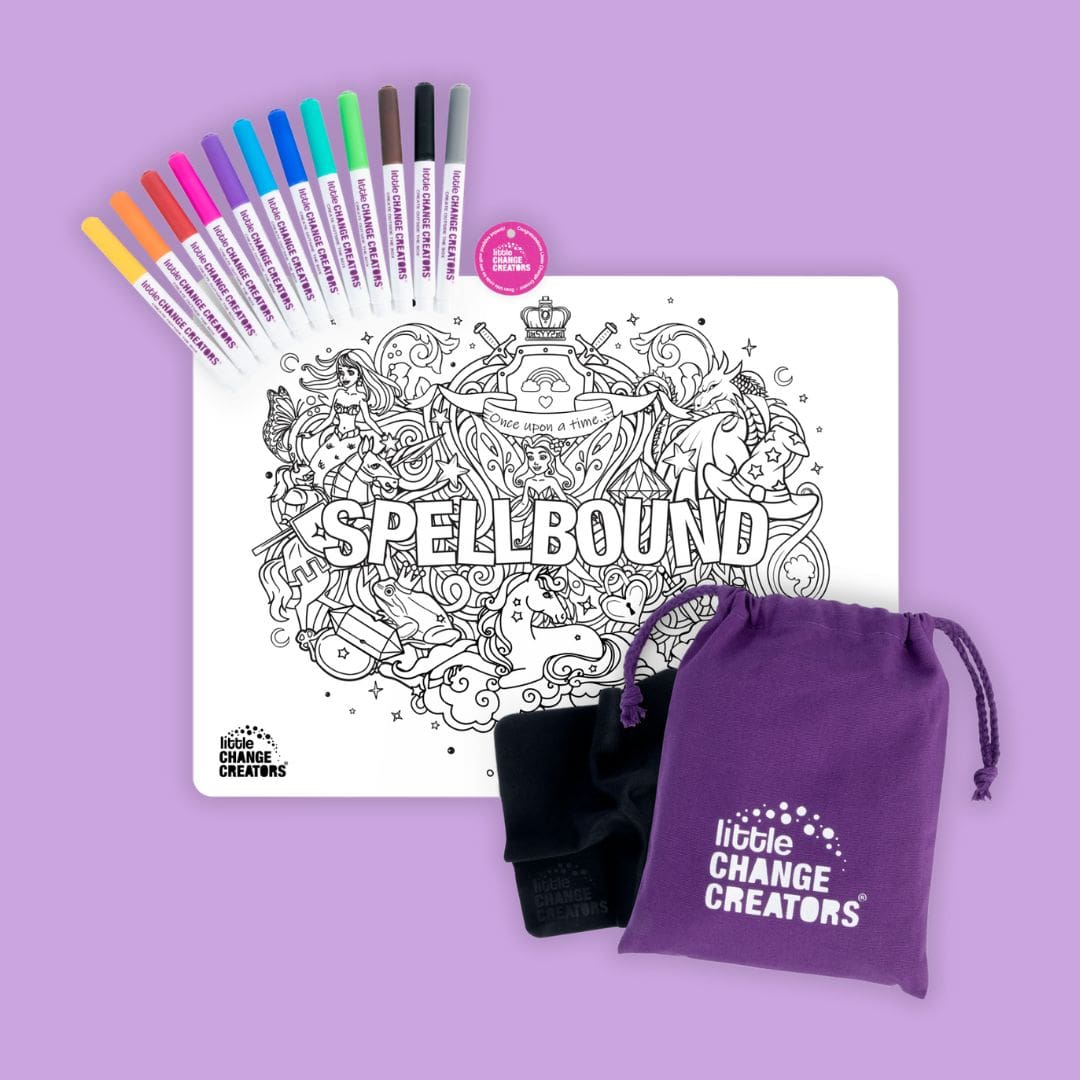
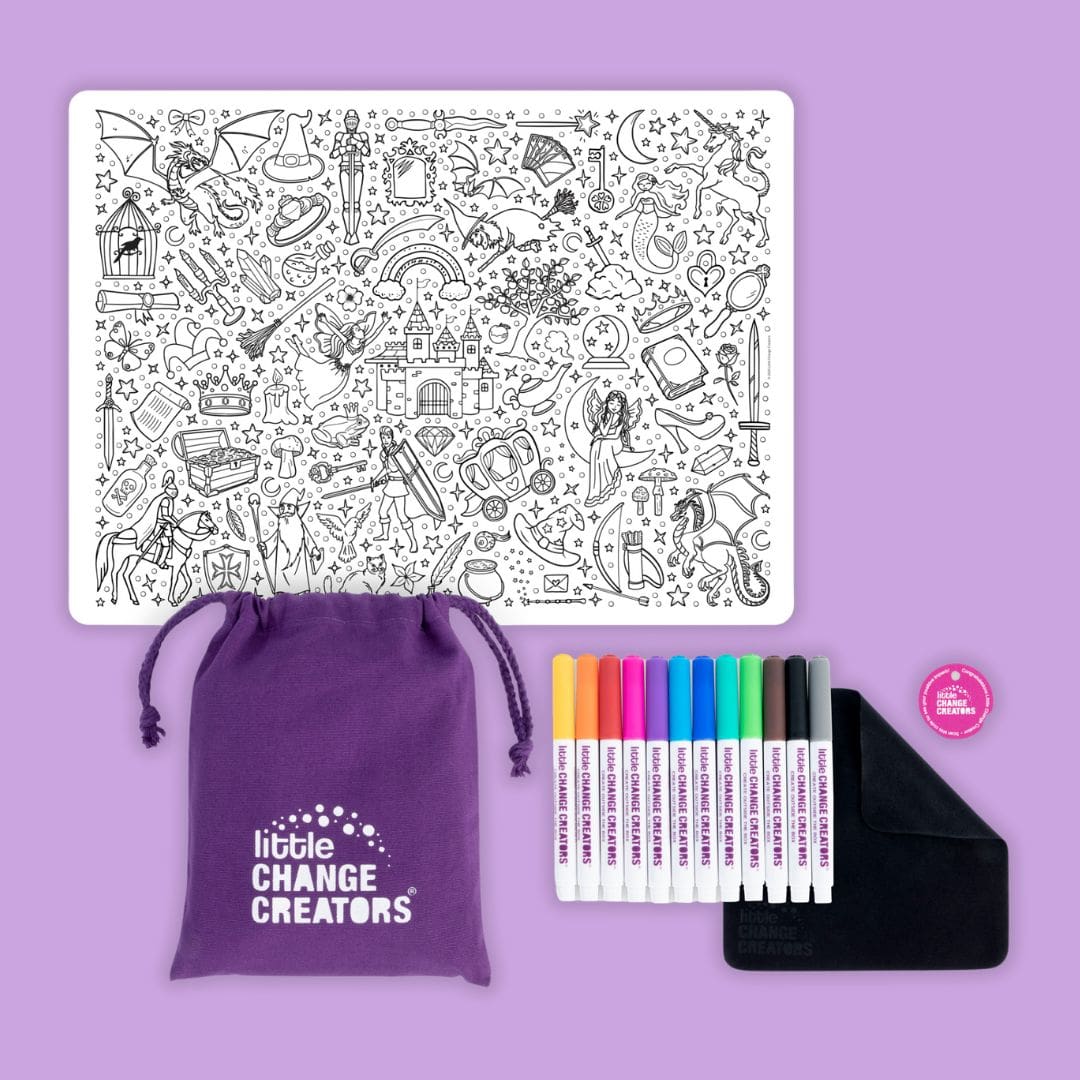
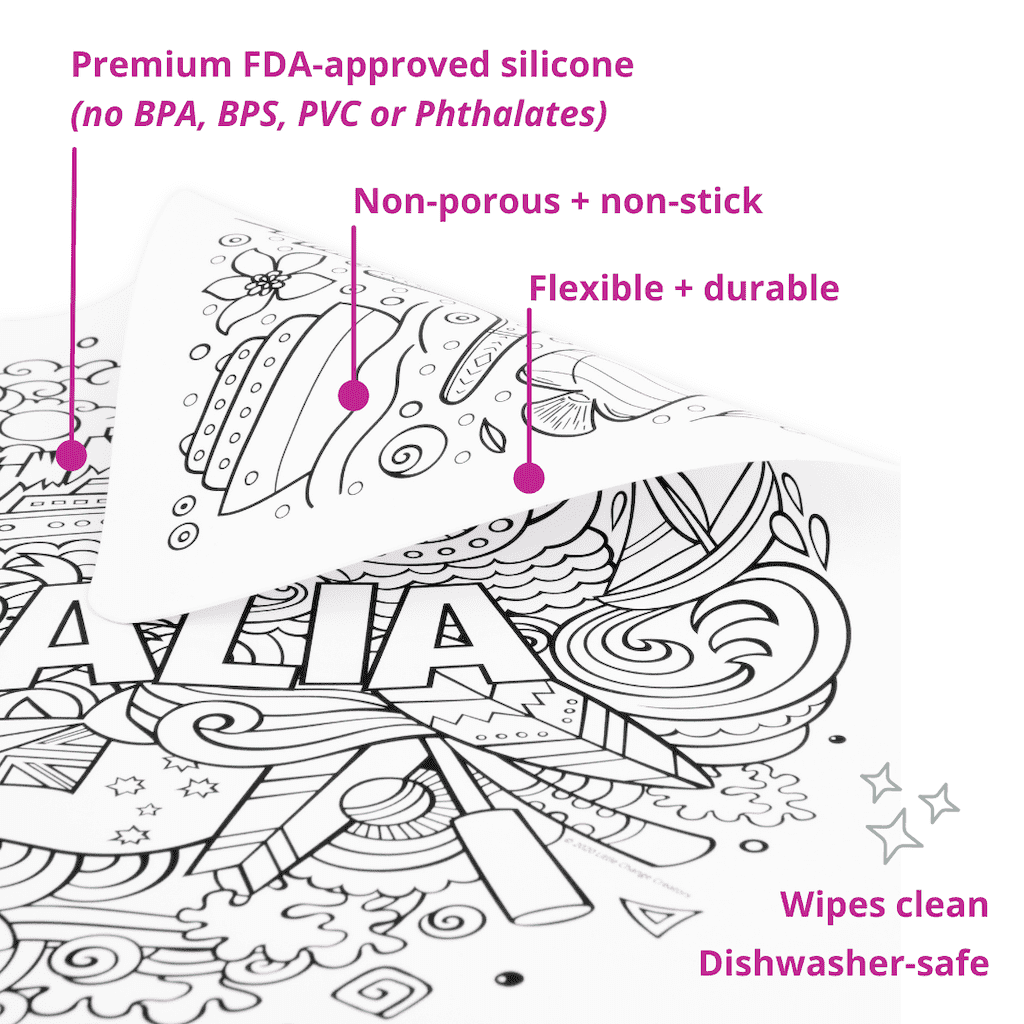
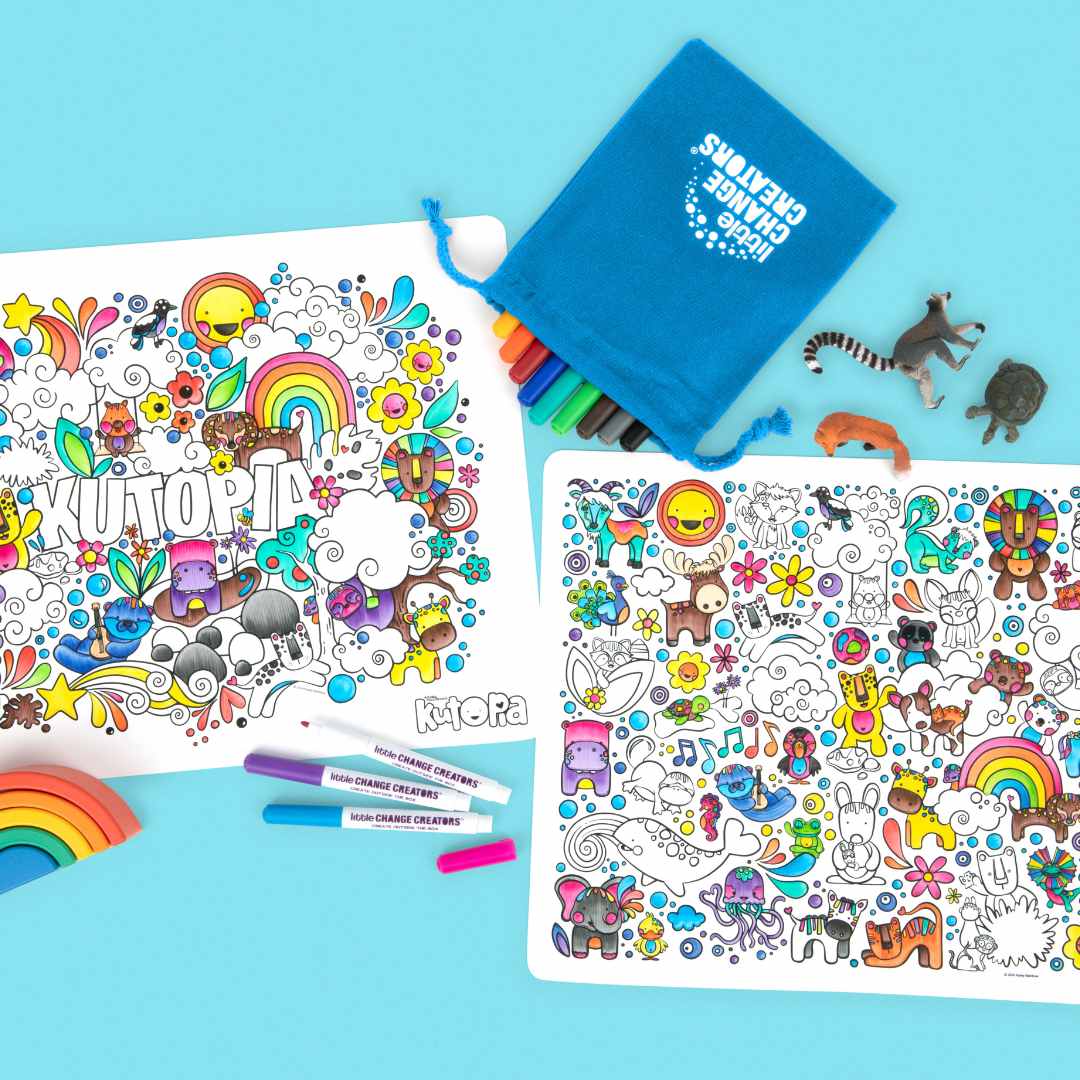
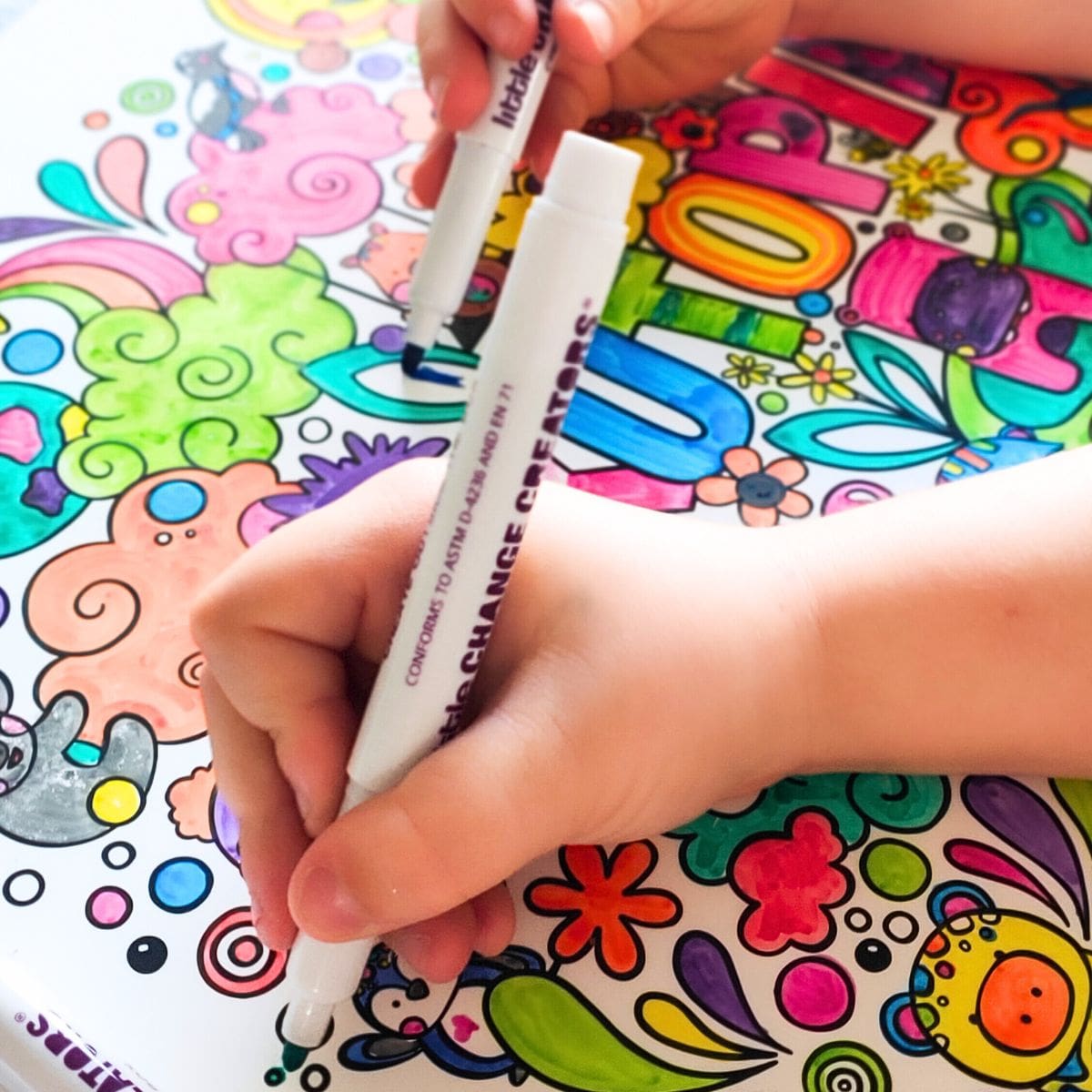
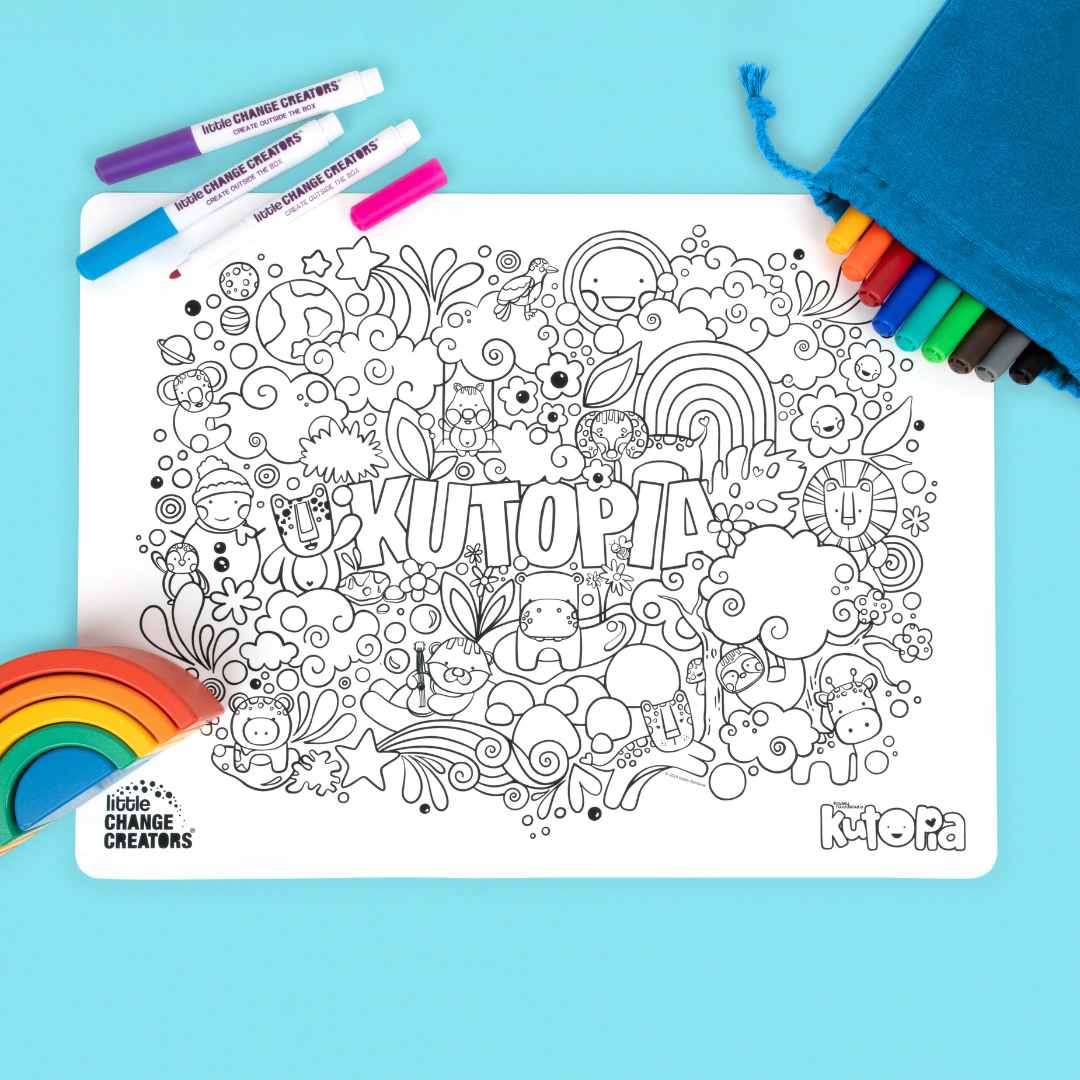
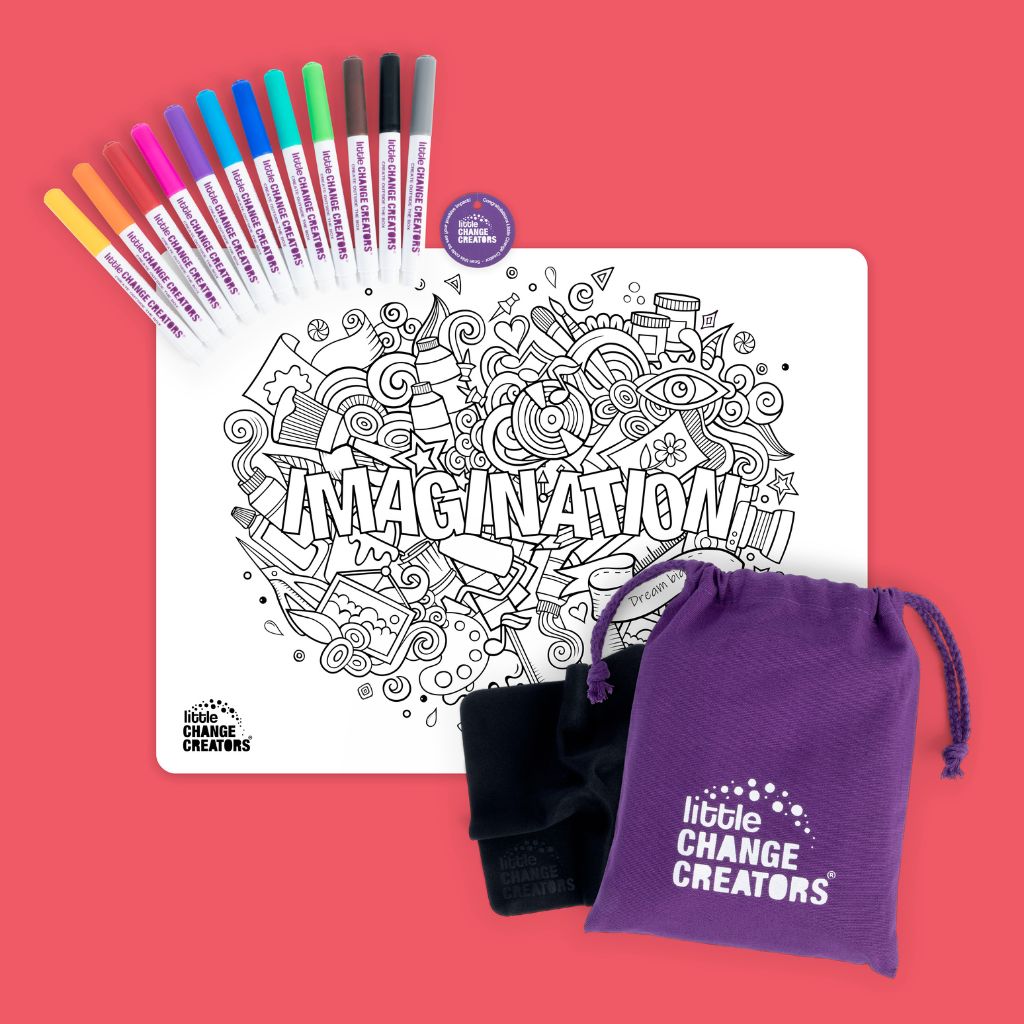
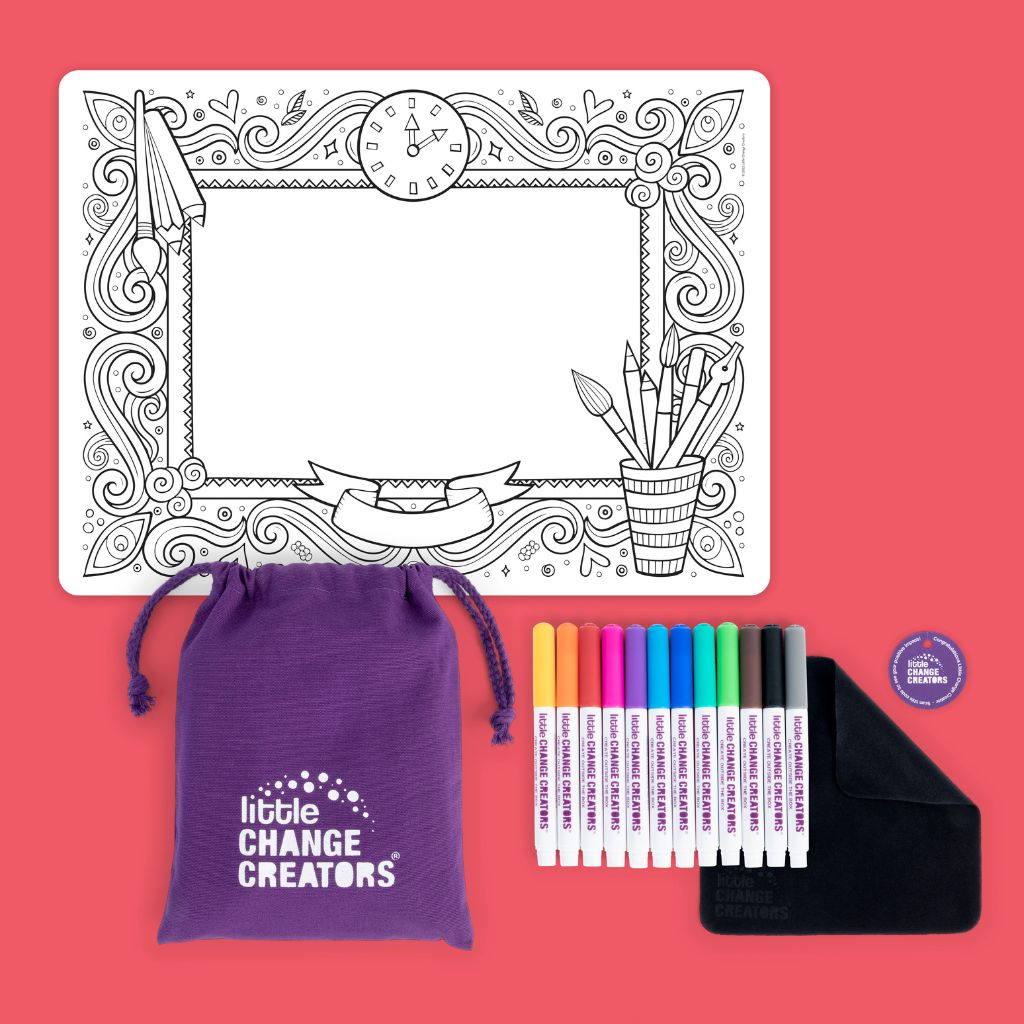
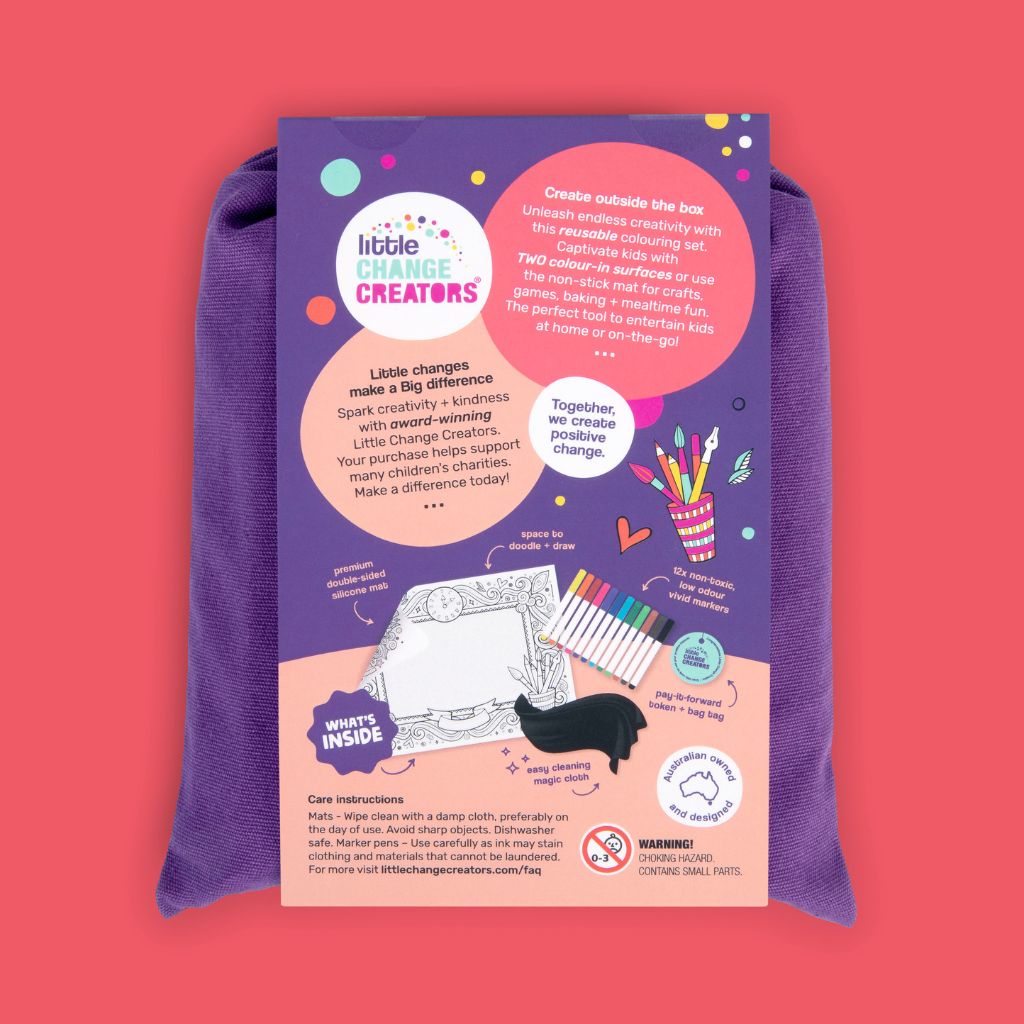
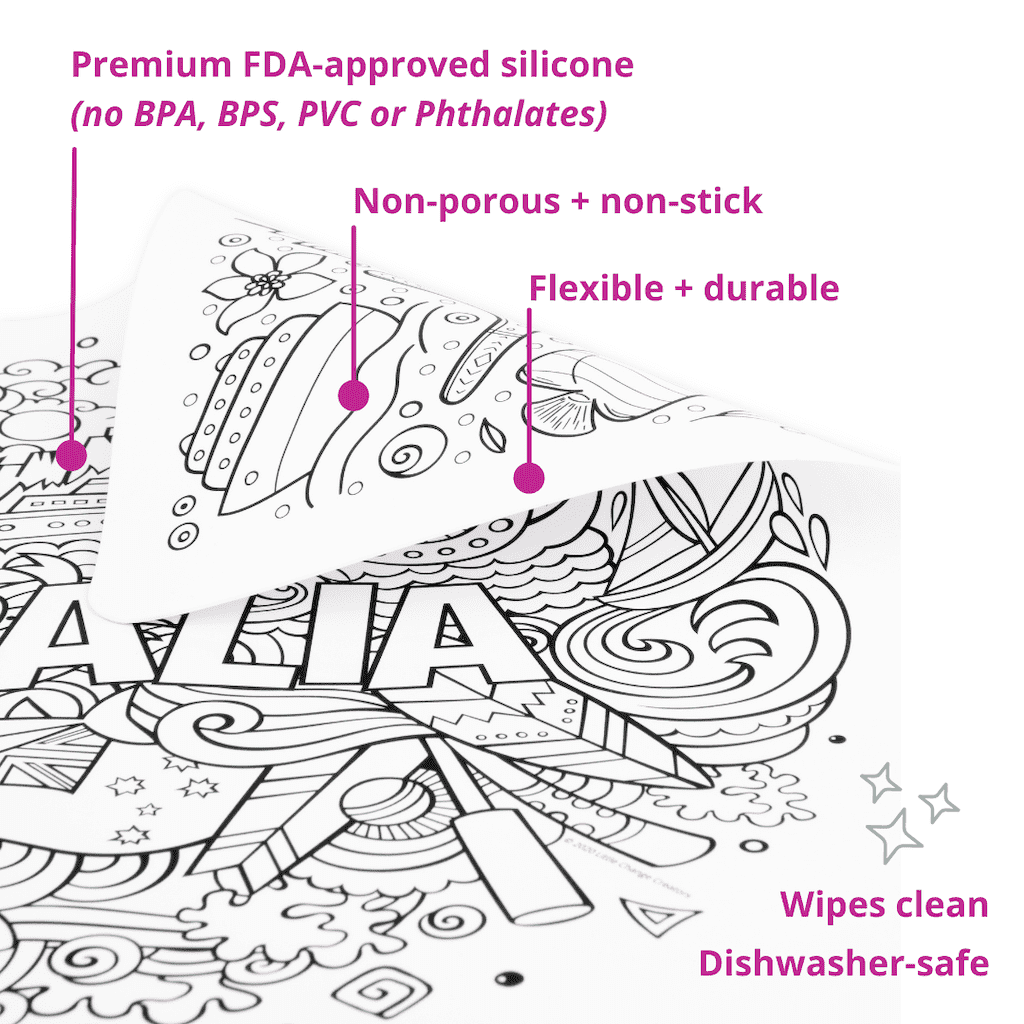
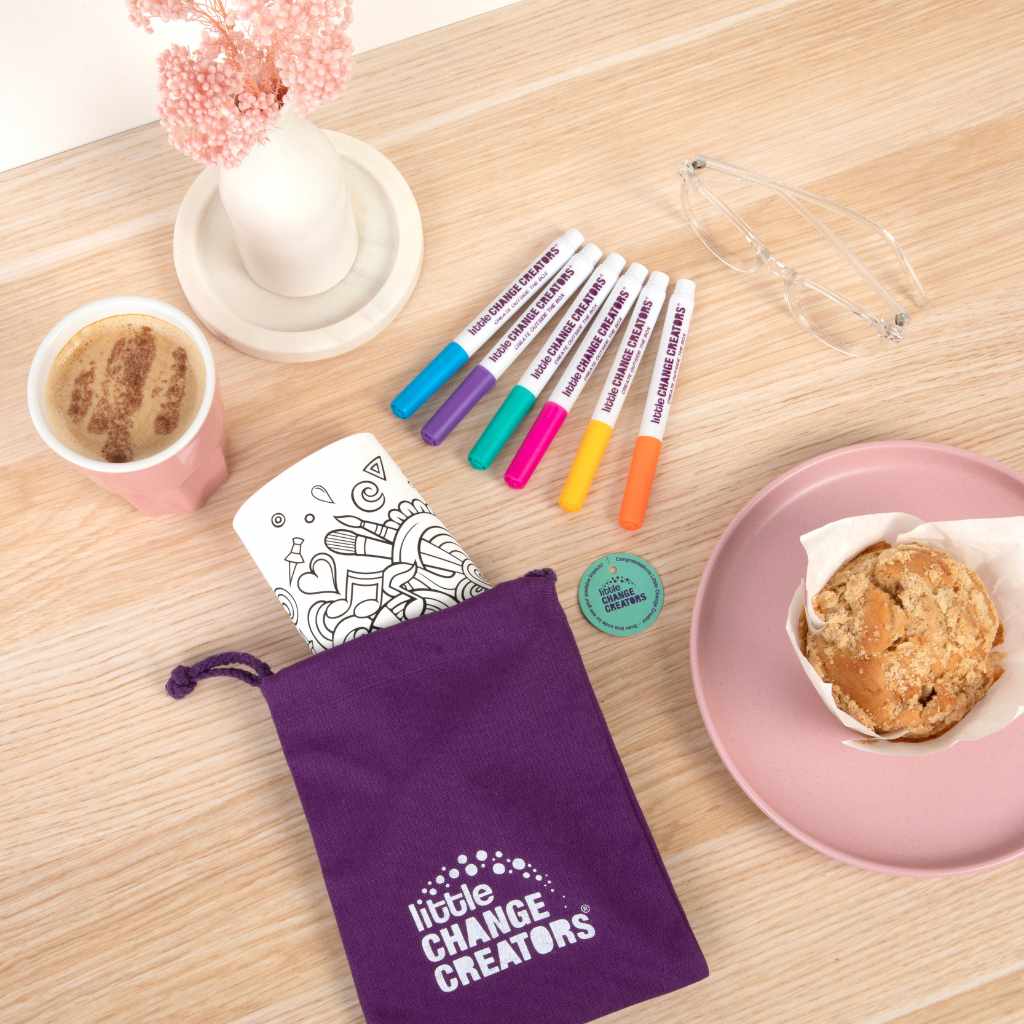
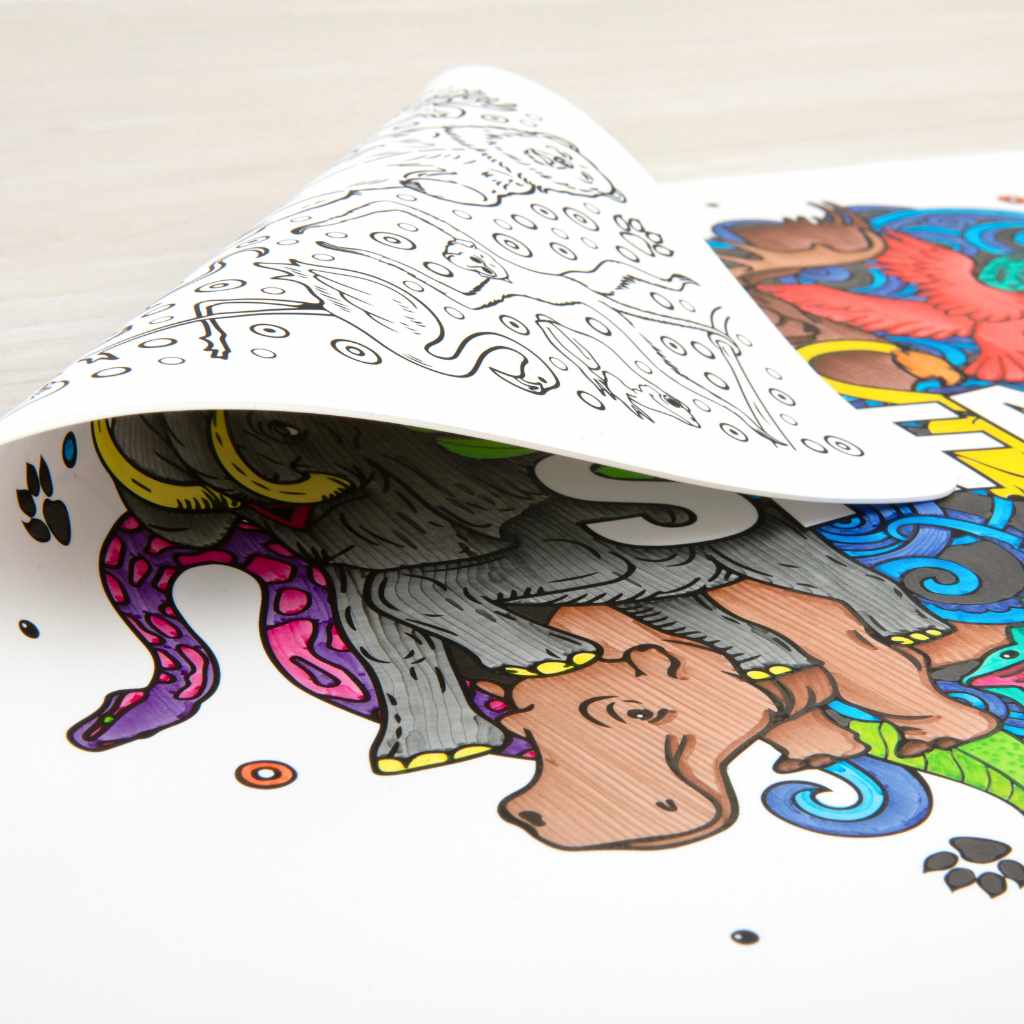
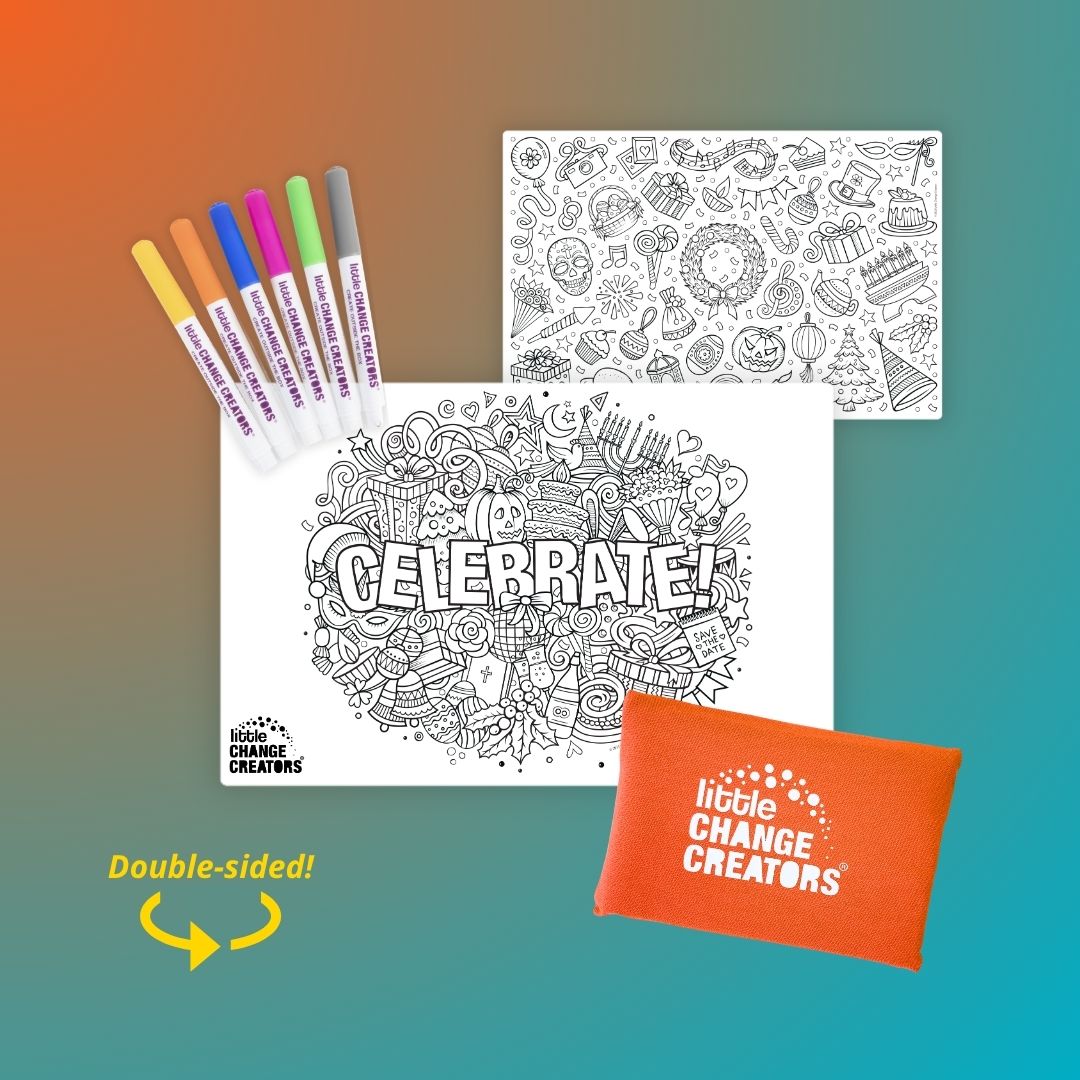
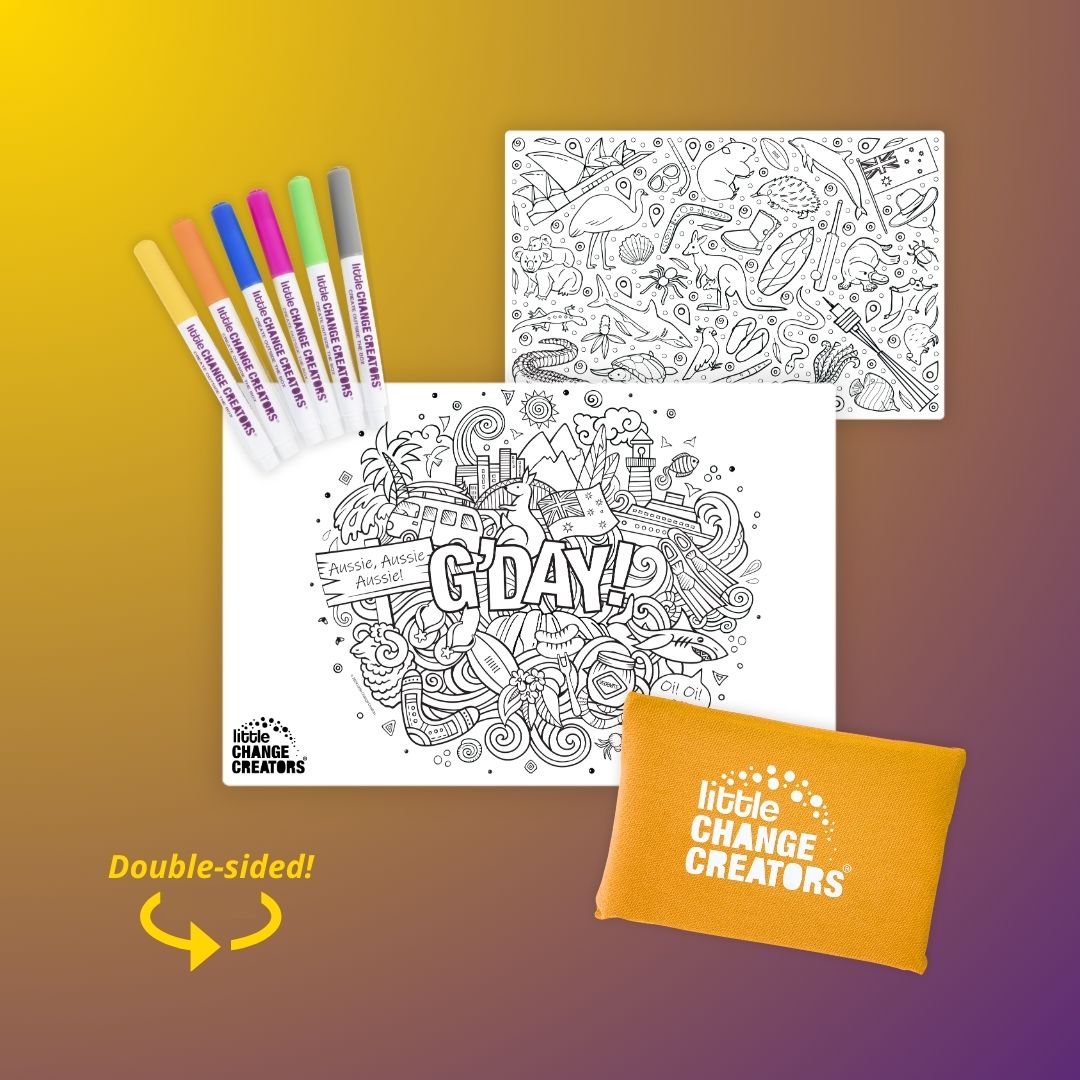
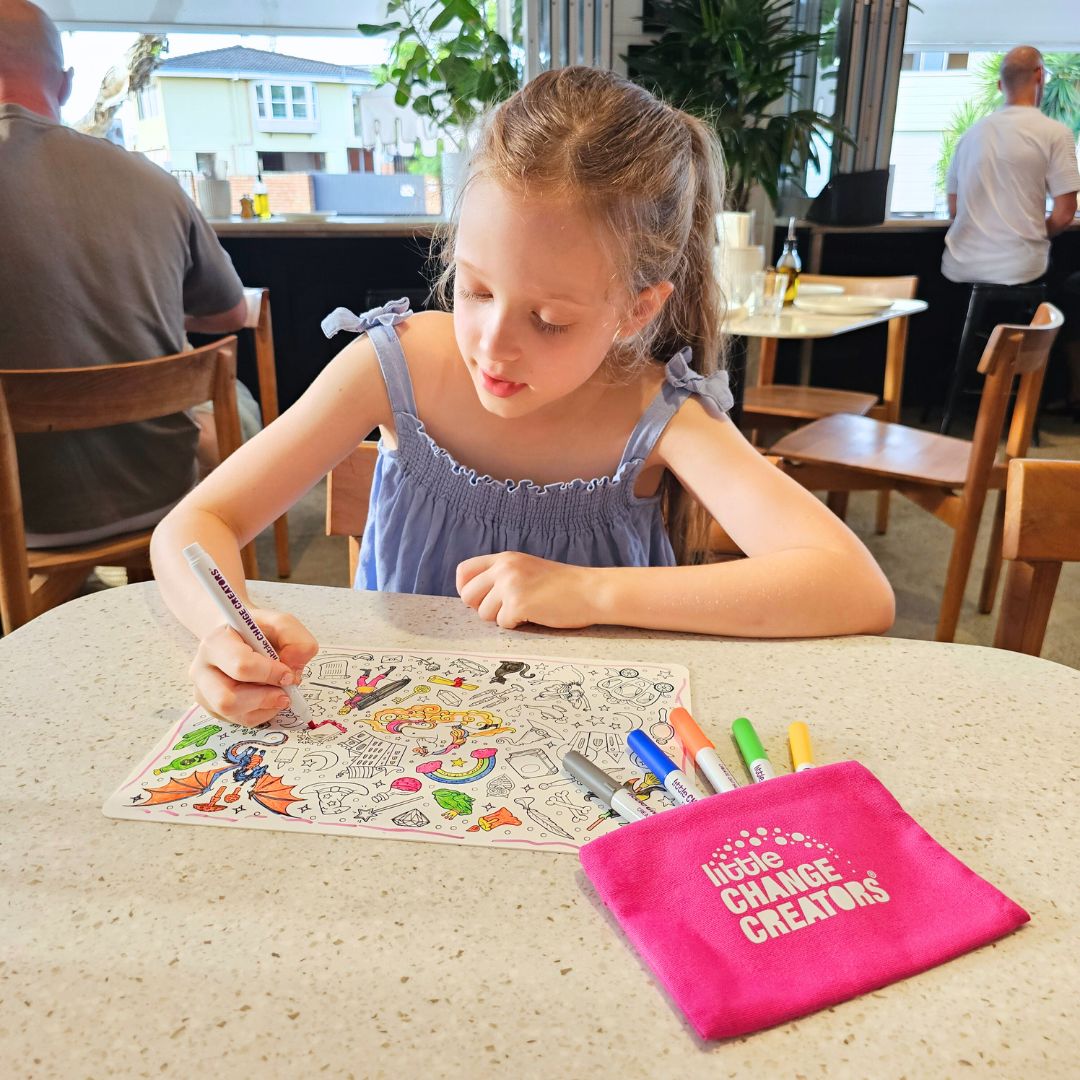
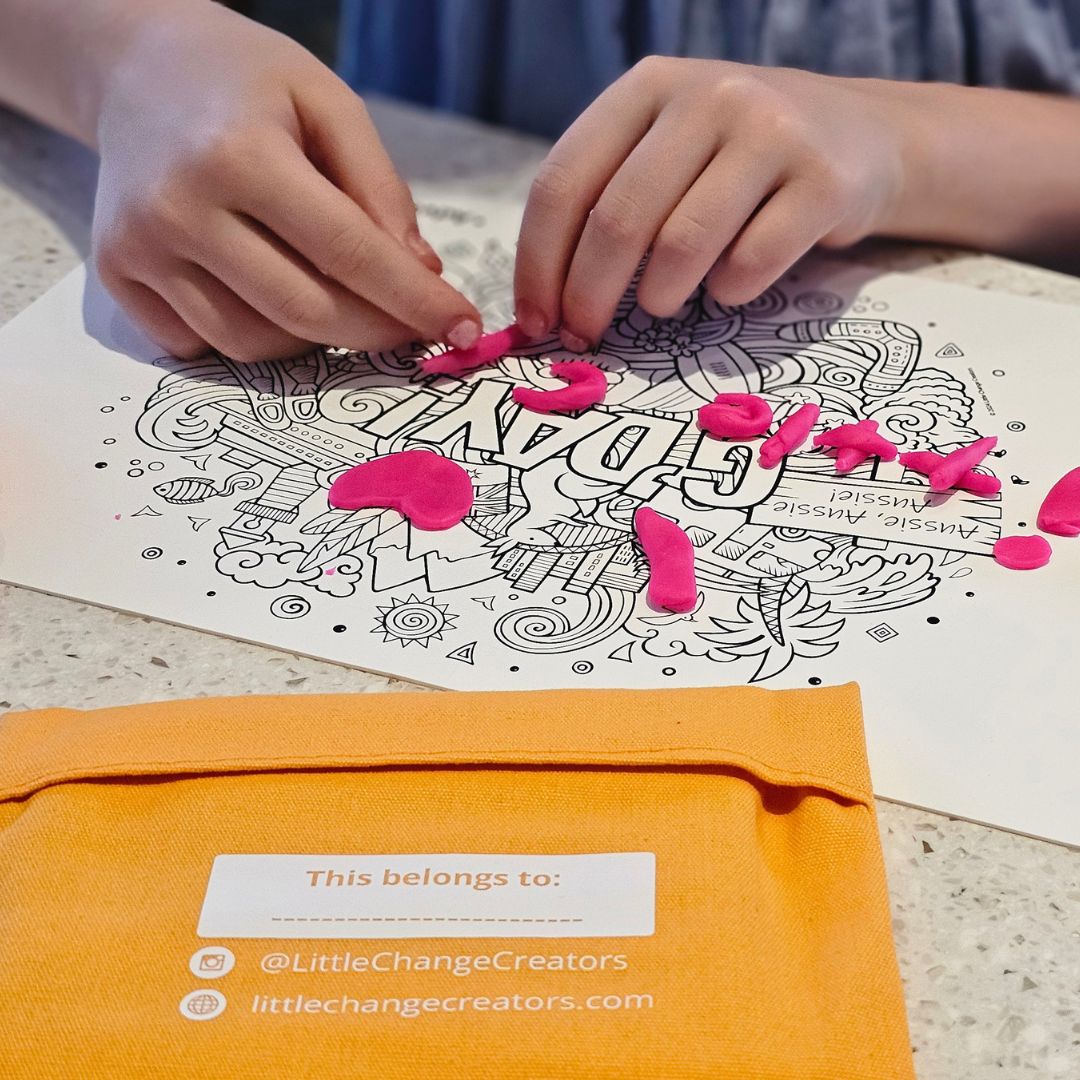
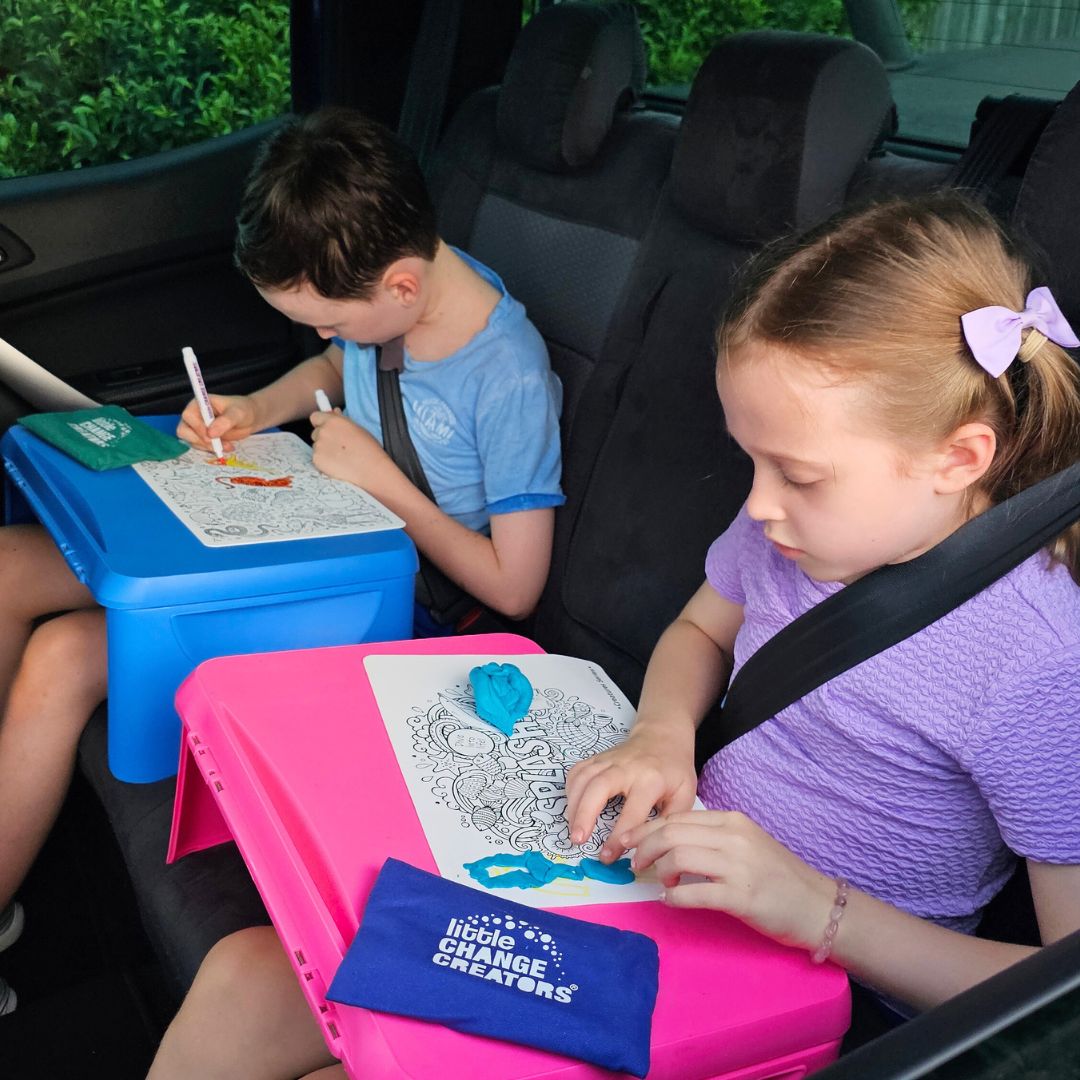
Each set includes two double-sided silicone mats that fold from A3 to A4 for easy use and storage. Children can write and draw with the included erasable markers, wipe the mats clean and practise again and again. Many activities also pair beautifully with playdough, counters and other resources for an extra hands-on approach to learning.
The activities draw on the Australian Curriculum Version 9.0 and the Early Years Learning Framework V2.0 (EYLF). Relevant curriculum codes and EYLF outcomes are noted throughout, with links to our detailed curriculum guides for educators who’d like to dig a little deeper.
What would you like to explore?


Curriculum links are provided to support educators and families with learning and planning. They do not imply formal endorsement by ACARA or the Australian Government Department of Education.
Literacy Activities
From preparing little hands for writing to creating complete stories, the Literacy Activity Set grows with the learner:
Pre-writing → sounds → letters → words → sentences → stories
Getting Ready to Write


Today
Turn everyday routines into learning opportunities.
Children can find the date, identify the day of the week and talk about the weather, building familiarity with time, routines and useful everyday vocabulary. Use it as a morning classroom check-in or part of a regular homeschool routine, then wipe it clean ready for tomorrow.
Learning links: Australian Curriculum English: AC9EFLA08, AC9E1LA09 · EYLF: Outcomes 4 & 5


Play
Warm up little hands for writing.
Trace the shapes and pathways with your erasable markers to practise pencil control, hand-eye coordination and the movements that support early handwriting. For an extra hands-on challenge, roll playdough into thin pieces and form it over the shapes and lines.
Because it wipes clean, children can revisit the activity as their control and confidence develop.
Learning links: Australian Curriculum English: supports skills underpinning AC9EFLY08, AC9E1LY08, AC9E2LY08 · EYLF: Outcomes 3 & 4


Create
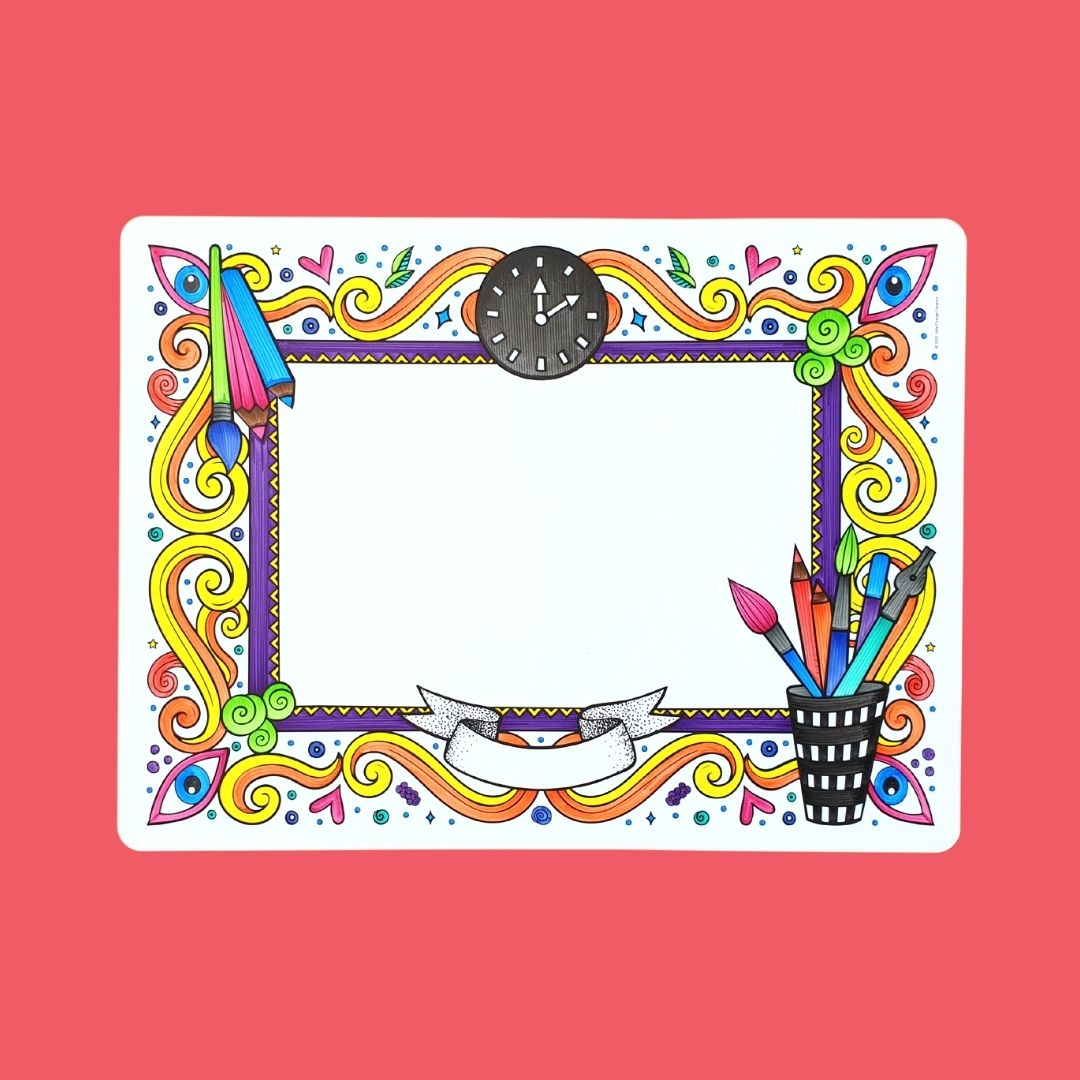
No instructions. No right answer. Just room for imagination.
Children can draw a face, add details to a scene or turn the open space into something completely their own. Encourage them to talk about what they’ve created, add characters and details or use their picture as the beginning of a story.
Great for creative warm-ups, quiet time and giving young imaginations somewhere to wander.
Learning links: Australian Curriculum English: AC9EFLY06, AC9E1LE05, AC9E2LE05 · EYLF: Outcomes 4 & 5
Shapes, Sounds & Letters


Trace and Say
From shape to movement, then from picture to sound.
Children begin by tracing pre-writing lines, zigzags, loops and spirals, developing shape recognition alongside the fine-motor control and hand-eye coordination needed for writing.
When they’re ready, they can move on to tracing familiar objects: a sun, apple, tree, pan, igloo and net. Encourage them to say each object’s name aloud and listen for its first sound: S, A, T, P, I, N.
It’s a simple progression from visual shapes and physical movement to listening for sounds in spoken words.
Playdough can also be rolled and shaped over the patterns and pictures for a more tactile learning experience.
Learning links: Australian Curriculum English: AC9EFLY08–11 · EYLF: Outcomes 3 & 5


Alphabet Letter Formation
Learn where to start and which way to go.
Every uppercase and lowercase letter includes numbered arrows to guide children through correct letter formation. Children can follow each movement with a marker, wipe clean and repeat as they build muscle memory, control and confidence.
The visual guides take some of the guesswork out of early handwriting and provide a consistent reference children can return to as often as they need.
Learning links: Australian Curriculum English: AC9EFLY08, AC9E1LY08, AC9E2LY08 · EYLF: Outcomes 3 & 5
Letters & Words


Trace
Practise the alphabet, again and again.
The full uppercase and lowercase alphabet is ready to trace with the included markers, giving children repeated practice in recognising and forming letters.
It’s a useful bridge between guided letter formation and independent handwriting: trace first, build confidence, wipe clean and come back for another go.
Learning links: Australian Curriculum English: AC9EFLY08, AC9EFLY11, AC9E1LY08, AC9E2LY08 · EYLF: Outcomes 3 & 5


Draw and Write: Sound It Out
Hear the sounds. Build the word.
Look at each picture, say its name aloud and listen for the individual sounds in the word. Children can record each sound in the boxes, working from left to right.
The activity begins with simple three-letter consonant-vowel-consonant (CVC) words that can be sounded out letter by letter, then progresses to four- and five-letter words as children’s phonics skills develop.
This gradual increase in challenge helps children move from hearing individual sounds to blending, segmenting and spelling increasingly complex words.
Learning links: Australian Curriculum English: AC9EFLY10, AC9EFLY12–13, AC9E1LY09–13, AC9E2LY09–11 · EYLF: Outcomes 4 & 5


Draw and Write: Picture to Word
Move from sounding it out to writing the whole word.
Children name the picture, listen carefully for the sounds they hear, then write the complete word on the line below.
The open writing format encourages children to apply the phonics and spelling strategies they’ve been practising, helping them progress from sound-by-sound construction towards writing familiar words more independently.
And because the surface wipes clean, an unsure first attempt is simply part of the learning.
Learning links: Australian Curriculum English: AC9EFLY12–14, AC9E1LY11–14, AC9E2LY09–11 · EYLF: Outcomes 4 & 5
Sentences & Stories


Finish the Sentence
A gentle nudge into sentence writing.
Structured sentence starters give children just enough scaffolding to complete a whole thought of their own.
Early learners can sound out simple words to fill the boxes, while more confident writers can tackle the increasingly open-ended prompts. Encourage children to read their finished sentence aloud, check that it makes sense and notice features such as capitals, spacing and punctuation.
The activity grows with the learner, moving from completing sentences towards constructing them more independently.
Learning links: Australian Curriculum English: AC9EFLA05–06, AC9EFLY06, AC9E1LA06–07, AC9E1LY06, AC9E2LA06, AC9E2LY06 · EYLF: Outcomes 4 & 5


Write a Story
Every story starts somewhere.
Children can give their story a title, then use the First, Next and Then sections to draw or write what happens in sequence.
Younger writers might tell much of their story through pictures and simple words, while more confident writers can develop complete sentences and add extra detail.
A built-in checklist encourages children to look back over their work and think about:
- neat writing
- spaces
- punctuation
- capital letters
- a clear beginning, middle and end
It’s a simple introduction to planning, sequencing and editing a story, with the freedom to wipe clean and tell a completely different tale next time.
Learning links: Australian Curriculum English: AC9EFLY05–06, AC9E1LE03, AC9E1LE05, AC9E1LY06, AC9E2LE05, AC9E2LY06 · EYLF: Outcomes 4 & 5
Want to understand the Literacy learning links?
Our Literacy activities draw on the Australian Curriculum: English Version 9.0 and the Early Years Learning Framework V2.0, with skills progressing from fine-motor readiness and phonological awareness through to handwriting, spelling, sentence construction and storytelling.
Our detailed guide explains each ACARA code and EYLF outcome in plain English, including how the activities support learning across Prep, Year 1 and Year 2.
EXPLORE THE LITERACY CURRICULUM GUIDENumeracy Activities
From recognising their first numbers to exploring fractions and time, the Numeracy Activity Set builds mathematical understanding step by step:
Numbers & quantities → counting → calculations → place value → measurement → fractions & time
Numbers & Counting


Numbers
Start with the numbers they’ll use every day.
Children can trace numerals from 0 to 10, following the directional arrows to learn how each one is formed. They can then move on to tracing each number and have a go writing it independently on the line beside it.
This exercise moves children from recognising numbers to writing and using them with confidence.
Because the surface wipes clean, there’s plenty of opportunity for practice and building confidence without piles of worksheets.
Learning links: Australian Curriculum Mathematics: AC9MFN01–03 · EYLF: Outcomes 4 & 5


Counting
See it. Count it. Build it.
Children can explore quantity in several different ways using the dot array, ten-frame and familiar dot patterns from 1 to 10.
They might count dots one by one, recognise smaller groups at a glance, fill the ten-frame with counters or playdough, or write the numeral that matches each dot pattern.
Seeing the same quantity represented in different ways helps children make connections between how many, the pattern they can see and the numeral used to represent it.
Handy tip: The dotted grid is also useful for exploring symmetry using mirror-image patterns and shapes. This typically begins in Year 3.
Learning links: Australian Curriculum Mathematics: AC9MFN02–04 · EYLF: Outcomes 4 & 5
Number Relationships


Counting
Spot the patterns hiding inside our number system.
The large number grid and number lines give children visual tools for exploring where numbers sit in a sequence and how they relate to one another.
Start with the solid 10 × 10 grid for early counting and number recognition, then use the dotted extension to take the grid to 12 × 12 as children are ready for a bigger challenge (and the foundations of times tables). Children can count forwards or backwards, find particular numbers, identify one more or one less, explore groups of tens and begin skip counting in twos, fives and tens.
The number line is similarly designed to grow with the learner, beginning with 0–10 before continuing from 11–20 on the opposite panel.
The grid and number lines can also act as support tools for other activities in the set, including addition, subtraction and place value. Add counters or playdough for an extra hands-on layer.
Learning links: Australian Curriculum Mathematics: AC9MFN01, AC9M1N01, AC9M1A01 · EYLF: Outcomes 4 & 5
The 11–12 grid extension provides additional scope for exploration beyond the core early number work and can later support skip counting and emerging multiplication concepts.


Add and Subtract
Make number sentences something children can actually see.
Use the open boxes to create addition and subtraction problems, then solve them with counters, drawn dots, part-part-whole thinking or jumps along the number line.
Younger learners can begin with small practical quantities, while more confident children can work with numbers up to 20 and experiment with different ways to reach the same answer.
By moving from physical materials to drawings, number lines and finally written number sentences, children can gradually progress from doing the maths to understanding the symbols that represent it.
Learning links: Australian Curriculum Mathematics: AC9MFN05, AC9M1N04, AC9M2N04 · EYLF: Outcomes 4 & 5
Place Value & Measurement


Place Value
Discover what each digit is really worth.
The tens-and-ones stand gives children a concrete way to build two-digit numbers using counters, playdough or other small objects. They can count the groups, complete the sentence frame, then record the tens and ones as a number.
As their understanding grows, move to the place value chart to explore how the position of a digit changes its value. Children can build, partition and regroup numbers while seeing the relationship between ones, tens and hundreds.
It’s a hands-on progression from quantity → groups → digits → place value.
Learning links: Australian Curriculum Mathematics: AC9M1N02–03, AC9M2N02 · EYLF: Outcomes 4 & 5
The thousands column provides room to extend the activity beyond the core Prep–Year 2 learning progression when a child is ready for a bigger challenge.


Comparing Mass
Which is lightest? Which is heaviest? And how do you know?
Choose three classroom or household objects and place, draw or write them in order from least to most mass.
Children can begin by simply holding or “hefting” the objects to compare them, then use balance scales or informal units as their measurement skills develop. The writing lines encourage them to explain what they discovered and how they worked it out.
It’s a simple way to turn everyday objects into opportunities for mathematical reasoning.
Learning links: Australian Curriculum Mathematics: AC9MFM01, AC9M1M01, AC9M2M01 · EYLF: Outcomes 4 & 5


Comparing Measurements
Short, shorter, shortest. Long, longer, longest.
Choose three objects to compare, then place, draw or write them in order from shortest to longest.
Early learners can compare objects directly by lining them up, while older children can measure using repeated informal units such as blocks, counters or craft sticks.
Encourage children to use the writing lines to explain their thinking, helping them connect measurement with mathematical language and reasoning rather than simply finding an answer.
Learning links: Australian Curriculum Mathematics: AC9MFM01, AC9M1M01–02, AC9M2M01 · EYLF: Outcomes 4 & 5
Parts, Wholes & Time


Partitioning
Discover how one whole can become many parts.
Children can divide strips, rectangles and circles into equal parts, then record the relationship between each part and the whole.
Begin with halves, then explore quarters and eighths through repeated halving. The additional shapes also invite curious learners to experiment with other equal partitions and compare what happens as a whole is divided into more pieces.
The part-part-whole diagrams at the bottom take the same idea back to numbers. Children can use counters, playdough or written numerals to split a whole quantity into two parts, then record the matching number sentence.
Together, the activities help children see that partitioning isn’t just about fractions. It’s also a powerful way to understand number bonds, addition and subtraction.
Learning links: Australian Curriculum Mathematics: AC9MFN04, AC9M1N02, AC9M2N03–04 · EYLF: Outcomes 4 & 5
The Australian Curriculum focus for Year 2 is halves, quarters and eighths through repeated halving. Other equal partitions shown on the mat provide opportunities for exploration and extension.


Telling Time
Make sense of what those clock hands are actually telling us.
The large clock face helps children connect the position of the hands with familiar time language including o’clock, quarter past, half past and quarter to.
Children can then use the blank clocks to draw their own times, add clock hands or copy a time set by an adult. More confident learners can record the matching digital time and explore whether an event happens in the AM or PM.
Start with familiar parts of the day and whole hours, then gradually progress to half-hours and quarter-hours as children are ready.
Learning links: Australian Curriculum Mathematics: AC9MFM02, AC9M1M03, AC9M2M04 · EYLF: Outcomes 4 & 5
Reading analog time to the hour, half-hour and quarter-hour aligns directly with Year 2. Recording digital time and exploring AM and PM offer additional opportunities for extension.
Want to understand the Numeracy learning links?
Our Numeracy activities draw on the Australian Curriculum: Mathematics Version 9.0 and the Early Years Learning Framework V2.0, with skills progressing from recognising numbers and quantities through to calculations, place value, measurement, fractions and time.
Our detailed guide explains each ACARA code and EYLF outcome in plain English, including how the activities support mathematical learning across Prep, Year 1 and Year 2.
EXPLORE THE NUMERACY CURRICULUM GUIDECare Tips
A little care will keep your reusable mats ready for many lessons to come.
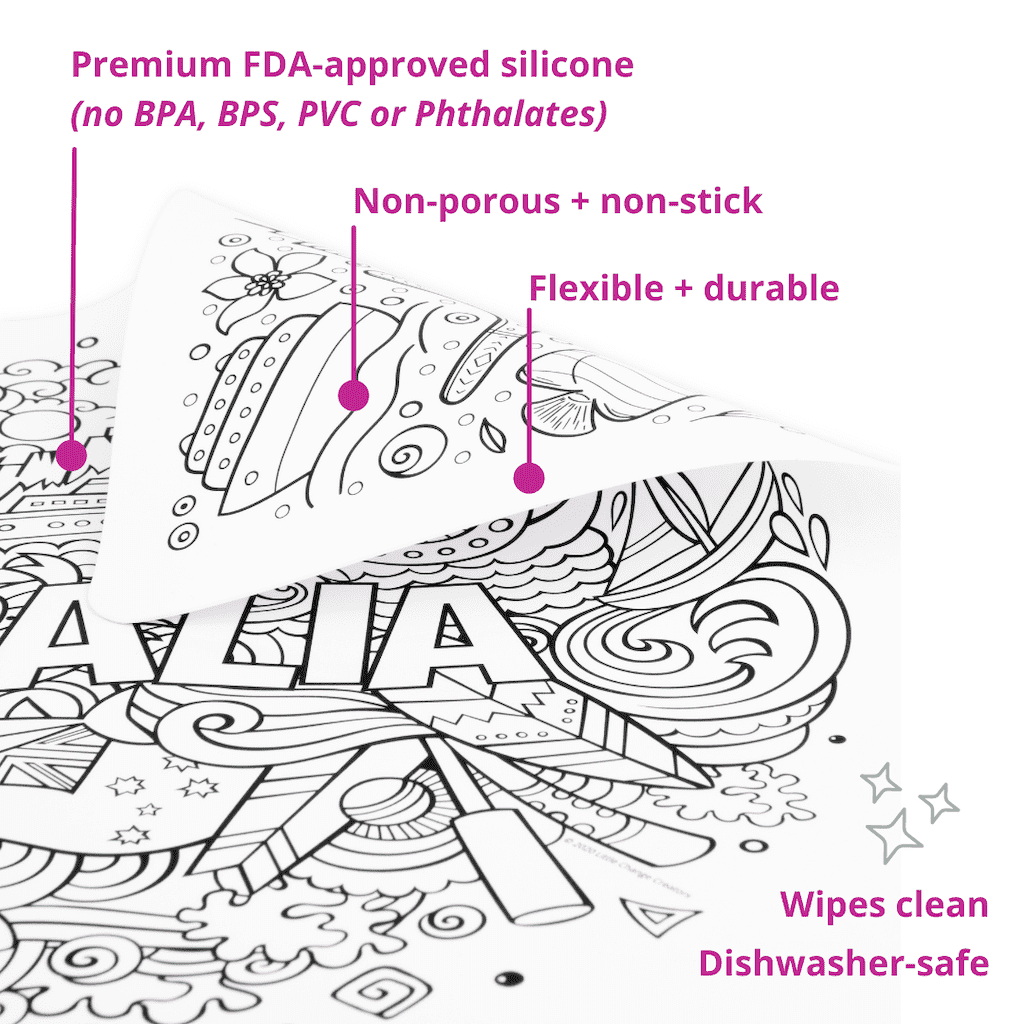
- Use the included erasable markers for best results. Permanent markers are a no-go and standard water-based markers will smudge. Dried markers may be revived by standing them in a glass with the tips facing down.
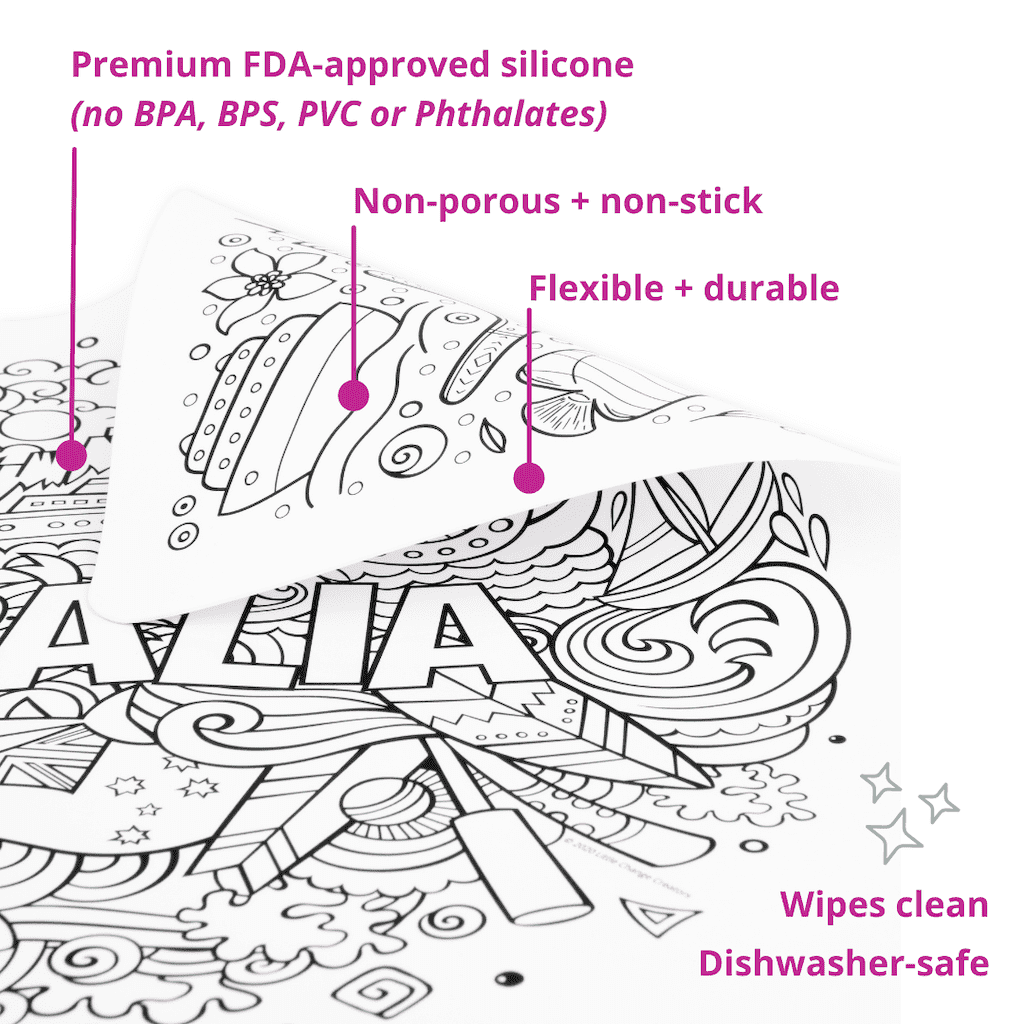
- Wipe the mats clean with a soft cloth. If the ink is fresh you may use a dry cloth, otherwise a damp cloth can be more effective. For a thorough clean, use a little mild soap. Rubbing alcohol or hand sanitiser will remove any stubborn marks.
- Remove playdough after use so small pieces don’t dry onto the surface.
- Choose smooth counters and manipulatives without sharp edges that could mark or damage the silicone.
- Allow the mats to dry completely before folding and storing them.
- Avoid sharp objects and abrasive cleaners, which may damage the silicone surface.
- Store flat, rolled or gently folded when not in use.
Then simply unpack, create, count, wipe clean and learn all over again!
Looking for Class Packs?
ENQUIRE ABOUT EDUCATION PRICING
Need multiple sets for your classroom, school or learning program? We offer volume discounts for schools and educators, making it easier to put reusable learning tools into more little hands.
Expect a response within 2 business days.
More ways for little learners to create and play
Ready for more? Keep the learning going, stock up on extra markers or switch gears with some colourful, screen-free fun.
Explore more reusable favourites designed to make learning, creativity and play easy to reach for, again and again.